How do I Care for my Variegated Maple
How do I Care for my Variegated Maple
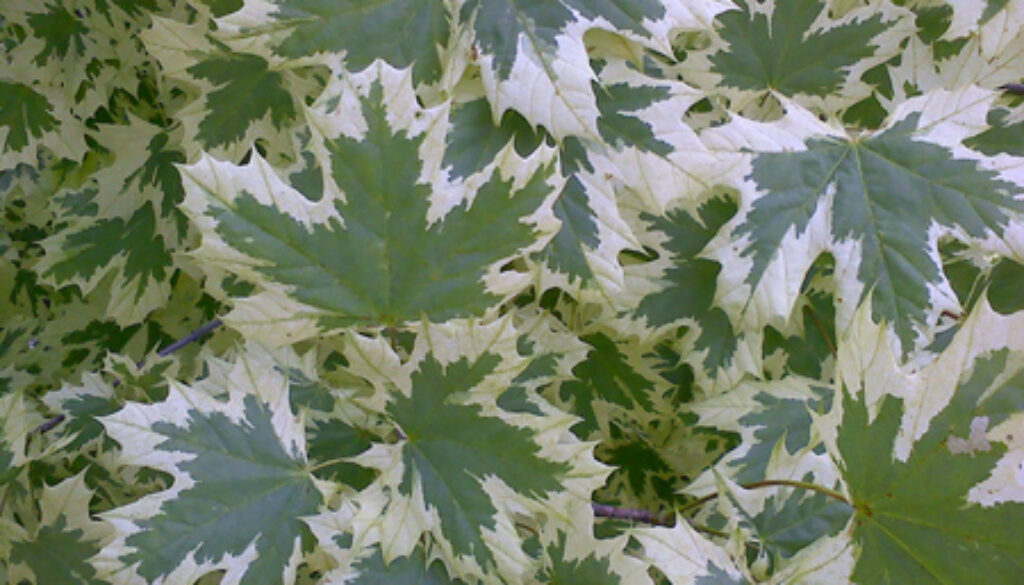
How do I Care for my Variegated Maple , choose a spot with morning sun and afternoon shade, ensuring well-drained soil and protecting it from harsh elements.Water deeply once a week (more in summer for containers or new trees), avoid overwatering, and apply a 3-inch layer of mulch around the base, keeping it away from the trunk. Fertilize sparingly or not at all, especially with high-nitrogen products, and prune only when necessary in late summer or fall, after the leaves have fully developed, to maintain shape and promote variegation.
-
Site selection:
Plant in a location that receives morning sun and afternoon shade to protect the delicate variegated leaves from the intense afternoon sun.
-
Soil drainage:
Ensure the soil is well-drained, as most variegated maples dislike “wet feet”. Consider planting on a slope or building a raised bed if your soil is heavy clay or frequently soggy.
-
Watering:
Water deeply once a week, especially for new trees. Check the soil moisture to ensure it is moist but not soaking wet. Water container plants more frequently, perhaps twice a week during the summer, but allow the soil to dry slightly between waterings.
-
Mulch:
Apply a 3-inch layer of bark mulch around the base of the tree, keeping it a few inches away from the trunk. This helps retain moisture, regulate soil temperature, and suppress weeds.
-
Fertilizing:
Avoid heavy fertilization, which can cause variegated leaves to turn green. If you must fertilize, do so sparingly in early spring before buds break, using a balanced, slow-release formula.
-
Pruning:The main tasks are removing “reverted” green growth, dead or damaged branches, and any branches that cross or rub against others.
-
Staking:
Stake trees larger than 4 inches in diameter or those in windy areas for the first year to provide support.
-
Pest and disease control:Monitor your tree for common maple issues like leaf scorch, which can be caused by insufficient water or a fungal pathogen. Contact a Certified Arborist for more information on pest and disease control in your area.Contact Johnson Ops Tree Care, one of our Certified Arborists will be happy to meet with you and address your concerns.