What is Verticillium Wilt
What is Verticillium Wilt?
What is Verticillium Wilt? Its’ a fungal disease that affects a wide variety of plants, including trees, shrubs, vegetables, and flowers. This disease poses a significant threat to plant health because it can infect many different species. It is caused by two soilborne fungi: Verticillium albo-atrum and Verticillium dahliae. These pathogens reside in the soil and attack susceptible plants, resulting in symptoms commonly associated with wilt and plant decline.
Symptoms
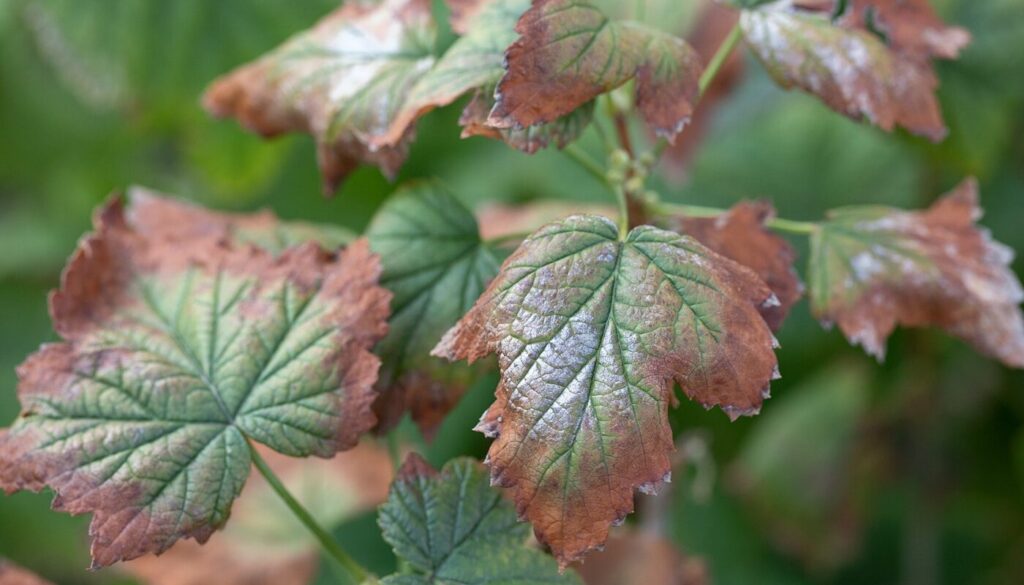
The symptoms vary depending on the plant species and the severity of the infection. Some of the most common symptoms include:
- Wilting of leaves, especially during the day
- Yellowing or browning of leaves
- Stunted growth
- Brown streaks or discoloration in the vascular tissue, which are the water-conducting vessels of the plant
- Death of branches or, in severe cases, entire plants
How it Spreads:
It spreads through the soil, where the fungi can survive for years even when there is no host plant present. The disease can also be transmitted through infected plant material, such as cuttings or seedlings, further contributing to its spread.
Plants Affected:
This disease is capable of infecting a broad range of plants, including:
- Trees: maples, elms, ash, willows
- Vegetables: tomatoes, potatoes, eggplants, peppers
- Flowers: roses, lilacs, barberry
- Ornamental plants: smoke trees, redbuds
Prevention and Control:
There is currently no cure for it, once a plant has become infected. However, several measures can be taken to help prevent and control the disease:
- Use plant varieties that are resistant to disease
- Plant in well-drained soil to reduce risk
- Avoid overwatering plants
- Remove and destroy any infected plants and debris
- Sanitize tools and containers that have come into contact with infected plants
- In severe cases, use soil fumigants or biological controls
Conclusion:
This disease poses a serious threat to many types of plants. If you believe your garden is experiencing symptoms, seek advice from a specialist for a thorough evaluation and guidance on how to proceed.