What is Heterobasidion root disease (HRD)
What is Heterobasidion root disease (HRD)
What is Heterobasidion root disease (HRD), a fungal disease that affects conifers, is present in approximately 30 Wisconsin counties and most commonly impacts red and white pine plantations. The fungus, Heterobasidion occidentale, can live in dead tree stumps and spreads to other hosts through root grafts. Symptoms include a quick decline in health, discolored leaves, branch dieback, and mushroom growth on the trunk or roots.
- Cause: A native soil-borne fungus called Heterobasidion occidentale.
- Hosts: Primarily affects red and white pine in Wisconsin, but many conifer species can be hosts.
- Spread: The fungus lives on dead wood in stumps and roots and spreads to healthy trees through root grafts.
How to identify HRD
- Symptoms: Look for a rapid decline in tree health, discolored or wilted leaves, branch dieback, a thinning canopy, and overall poor growth.
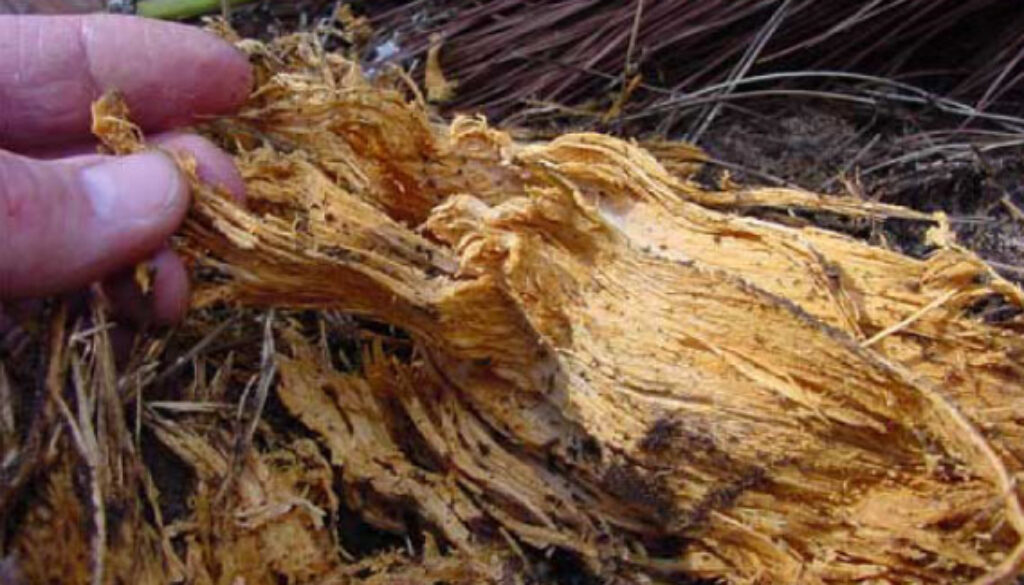
- Signs: Mushroom growth at the base of the trunk or on the roots can be a sign of the disease.
- Damage: The base of the trunk may show browning or blackening.
Management and prevention
-
On stumps:
Apply a registered borate fungicide, like Tim-Bor, to freshly cut pine and true fir stumps to prevent spore infection.
-
Infection control:
Remove dead trees and as much of their root system as possible.
-
Newly infected trees:
If a tree is newly infected, expose its base to air by removing 3 to 4 inches of soil around it.
-
Fungicides:Systemic fungicides such as Agri-Fos or ArborFos can be used for treatment.If you have any concerns about your trees, call Johnson Ops Tree Care. One of our Certified Arborists would be happy to come by and discuss your concerns, and evaluate your tree(s). We will provide you with recommendations to your trees specific needs, ensuring the health and safety of your trees. We pride ourselves on offering professional advice and reliable service, so you can feel confident that your landscape is in expert hands.