Will a Woodpecker Damage your Trees
Will a Woodpecker Damage your Trees
Will a Woodpecker Damage your Trees? Yes, a woodpecker can damage your trees, but it’s usually not the woodpecker itself that is the main cause of the problem; instead, their activity can indicate and worsen an underlying issue like an insect infestation or disease. A healthy tree can typically withstand the damage, but repeated pecking or heavy activity from a species like the sapsucker can create openings for disease and pests to enter, potentially causing structural weakness and death to a stressed tree.
How woodpeckers cause damage
-
- Insect removal: Woodpeckers peck to eat insects and larvae under the bark, which can be a benefit to a healthy tree. However, if the tree is already infested, their activity can weaken it.
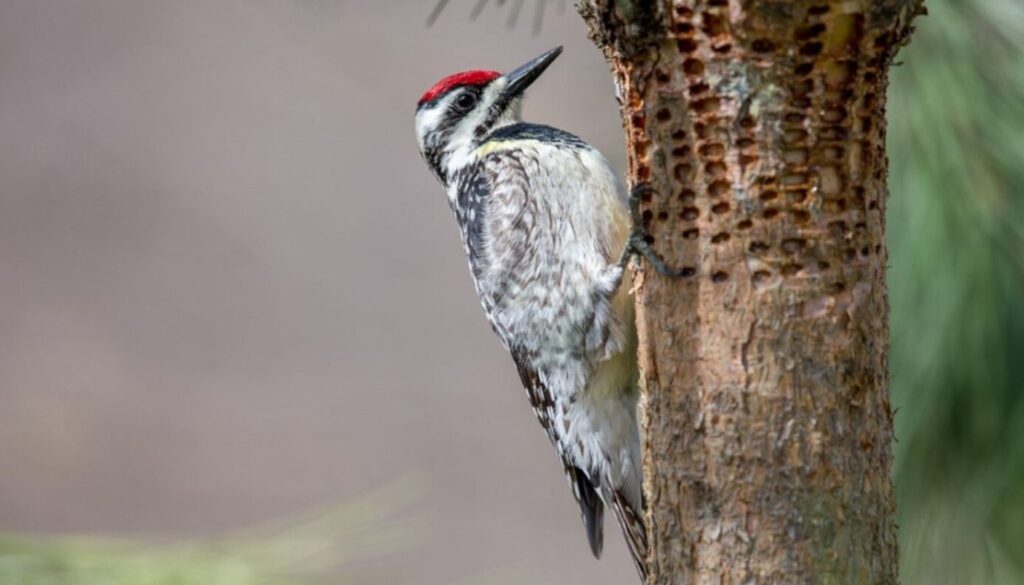
- Sap feeding: Sapsuckers create rows of holes to feed on sap, and while typically not harmful in small numbers, a large number of holes can reduce growth and increase susceptibility to disease.
- Nesting: Woodpeckers often nest in dead or dying trees, and their excavation for a nest can create larger wounds that allow in disease and pests.
- Structural damage: Repeated pecking in the same spot can compromise a tree’s strength, making it more likely to break during storms.
What to do
- Monitor the tree: Keep an eye on trees with woodpecker activity to check for signs of disease or insect infestations.
- Address underlying issues: Remove dead or dying branches to eliminate insect habitats and care for the tree with proper soil care, mulching, and irrigation to keep it healthy.
- Deter the birds: If you need to deter them, wrap the trunk in materials like hardware cloth or burlap, or hang shiny objects like foil or pie tins to scare them away. Be sure to remove wraps periodically to prevent moisture buildup.
If you’re worried about the health of your tree(s), call Johnson Ops Tree Care . One of our Certified Arborists will come by to assess your tree(s), and create a specialized plan to restore your tree’s health.