What is this Powdery Mildew on my Tree?
What is this Powdery Mildew on my Tree?
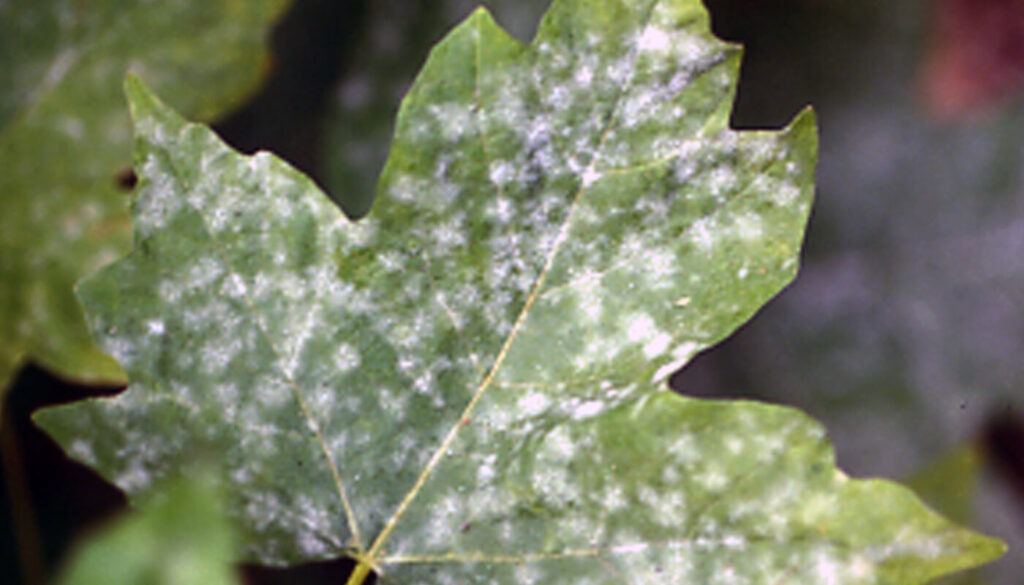
What is this Powdery Mildew on my Tree? Powdery Mildew is a common fungal disease that appears as a white or gray powdery substance on leaves, stems, and buds. Symptoms also include distorted or curled leaves, which can turn yellow or brown and drop prematurely. To treat it, remove infected parts and dispose of them properly (burning is safest), improve air circulation through pruning, and apply a fungicide like potassium bicarbonate spray or a horticultural oil like neem oil.
Symptoms to look for
- Powdery growth: Look for white or gray, powdery spots or patches on the upper surface of leaves, stems, and buds.
- Distorted growth: Leaves may curl, twist, or shrivel.
- Yellowing and leaf drop: Infected leaves may turn yellow or brown and drop prematurely.
- Fungal structures: Tiny black or orange-black balls may appear within the white fungal mats, especially late in the season.
How to treat and control
-
Prune and remove:Prune away infected branches and leaves. Do not compost them, as the fungus can spread.
-
Clean tools:Sterilize pruning shears with rubbing alcohol after cutting infected material to avoid spreading the fungus to healthy parts.
-
Improve air circulation:Prune to increase air flow, which can help prevent the humid microclimates where the fungus thrives, although this is not always very effective against powdery mildew.
-
Apply fungicides:
- Potassium bicarbonate sprays: Mix potassium bicarbonate with a surfactant and apply every one to two weeks.
- Neem oil: Apply neem oil to prevent germination. It is best to apply it in the evening to avoid harming pollinators and causing leaf burn.
- Hose spray: Blast the leaves with water from a hose to physically remove spores, but avoid doing so late in the day.
-
Consider resistant varieties:Planting disease-resistant tree varieties is a strong preventative measure.
Why it happens
- Fungal spores: Powdery mildew is caused by fungi that spread via wind or insects.
- Favorable conditions: The disease is common in warm, humid climates and develops best in areas with high humidity, low air circulation, and stressed plants.
Do you have a concern with your tree? call Johnson Ops Tree Care for a assessment by one of our Certified Arborists. We can develop plan to get your trees healthy.
Are you concerned about your trees? Contact Johnson Ops Tree Care, and one of our Certified Arborists will gladly meet with you to discuss your worries about your trees. After evaluating your tree, we can create a plan specific to your trees needs.