
Poison Ivy: What to Know
Poison Ivy: What to Know
Poison Ivy: What to Know. Poison ivy (Toxicodendron radicans) is one of the most common plants homeowners encounter—and one of the most irritating. Found along fence lines, wooded edges, and even in landscaped yards, it can quickly become a problem if left unmanaged.
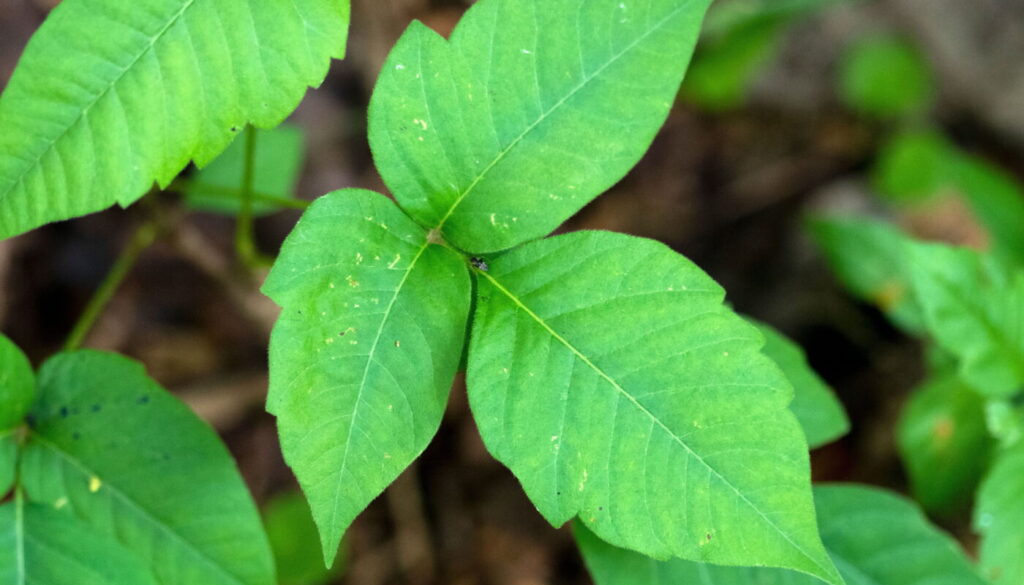
The easiest way to identify poison ivy is the saying, “leaves of three, let it be.” Each stem typically has three leaflets that may appear glossy or dull green in summer and turn red or orange in fall. It can grow as a low ground plant, a shrub, or a climbing vine with hairy-looking roots that attach to trees and structures.
The real issue with poison ivy is the oil it produces, called urushiol. This invisible oil causes an allergic skin reaction in most people. After contact, symptoms like redness, itching, and blistering can develop within 12 to 48 hours. The oil can also stick to clothing, tools, and pet fur, spreading the reaction even if you didn’t touch the plant directly.
If you come into contact with poison ivy, wash the area as soon as possible using soap and cool water. Cleaning under fingernails and washing clothing right away can help prevent the oil from spreading. Over-the-counter treatments like calamine lotion or antihistamines such as Benadryl can help manage itching and discomfort.
From a property care standpoint, poison ivy should be handled carefully. Never burn it, as inhaling the smoke can be extremely dangerous. Wearing proper protective gear and using safe removal methods is key.
If poison ivy is spreading on your property, professional removal is often the safest and most effective option.
At Johnson Ops Tree Care, our Certified Arborists are here to help you care for the trees on your property safely and correctly. If you have concerns about your trees, and plant health, we’re happy to walk your property and provide expert guidance.
Products Available: Mulch • Dirt • Compost • Landscaping Rock • Live Edge Slabs • Lumber • Trees • Firewood