Best Practices for Preserving Trees in Construction Zones
Best Practices for Preserving Trees in Construction Zones
Best Practices for Preserving Trees in Construction Zones. Trees provide essential environmental, aesthetic, and economic benefits. During construction projects, existing trees are often at risk due to soil disturbance, root damage, and changes in environmental conditions. Implementing effective tree protection measures is critical to ensure that trees survive and thrive throughout and after the construction process.
Why Protect Trees During Construction?
- Environmental Value: Trees improve air quality, reduce stormwater runoff, and provide habitat for wildlife.
- Property Value: Mature trees enhance the beauty and value of properties, making them more attractive to buyers.
- Regulatory Compliance: Many municipalities require tree protection as part of construction permits or local ordinances.
Construction activities can damage trees in several ways:
- Root Damage: Excavation and grading can sever roots, reducing water and nutrient uptake.
- Soil Compaction: Heavy machinery compresses soil, limiting root growth and water infiltration.
- Physical Injury: Trunks and branches are vulnerable to impact from equipment and materials.
- Changes in Drainage: Altered water flow can stress or drown trees.
Tree Protection Measures Before and During Construction
- Assessment and Planning
- Hire a certified arborist to assess existing trees and identify those to preserve.
- Map tree locations and establish root protection zones (RPZ) based on tree species, size, and health.
- Install Physical Barriers
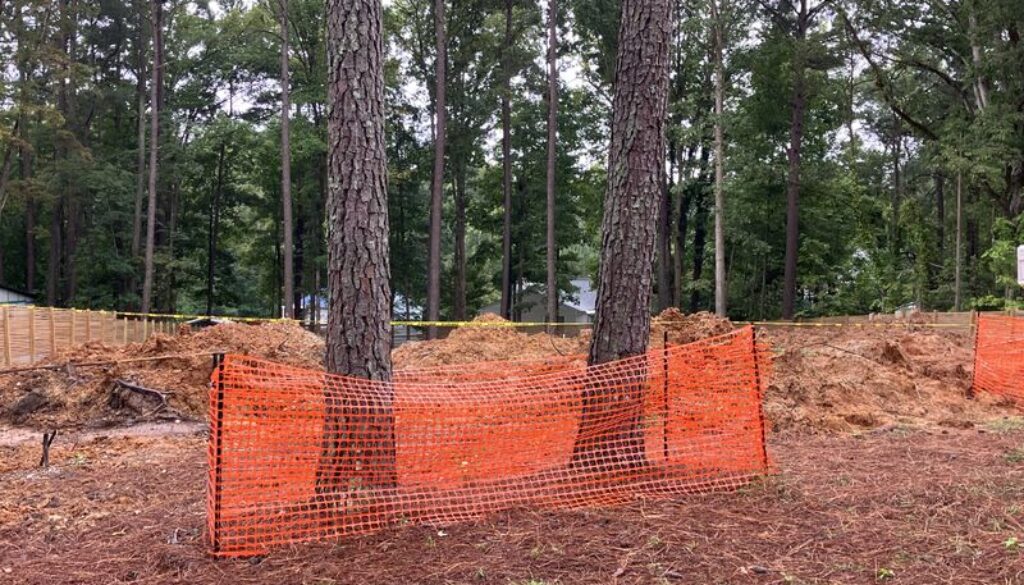
- Set up sturdy fencing around RPZs to keep workers, materials, and machinery away from critical root zones.
- Signage should clearly indicate protected areas.
- Control Access and Activity
- Designate pathways and storage areas away from trees.
- Prohibit parking, storage, and chemical spills near protected zones.
- Monitor and Maintain
- Assign a tree protection supervisor to enforce compliance and inspect barriers regularly.
- Document any incidents and address issues promptly.
Tree Care After Construction
- Inspect for Damage
- Have an arborist examine trees for physical injuries or stress symptoms.
- Remedial Care
- Prune damaged branches and treat wounds.
- Loosen compacted soil and add mulch to improve root conditions.
- Watering and Fertilization
- Monitor soil moisture and provide supplemental watering, especially in the first few years post-construction.
- Apply fertilizers judiciously if needed.
- Long-Term Monitoring
- Continue periodic inspections to detect disease, pests, or decline.
- Maintain mulch and irrigation as required.
Protecting trees during and after construction requires careful planning, regular monitoring, and ongoing maintenance. By following these best practices, property owners and contractors can preserve the valuable benefits that mature trees provide for generations to come.
Contact Johnson Ops Tree Care; one of our Certified Arborists can come to your property and evaluate if any trees could be at risk during your construction, both before and after.