Attract Pollinators to your Garden
Attract Pollinators to your Garden
To Attract Pollinators to your Garden, plant a variety of native flowers that provide blooms from early spring to late fall, group flowers together, and avoid pesticides. Also, provide nesting sites like patches of bare ground, dead wood, or bee boxes, and offer water sources or “mud puddles”.
-
Prioritize native plants:
Choose flowers that are native to your region, as pollinators have co-evolved with them. You can find suggestions using tools from the National Wildlife Federation or National Audubon Society.
-
Provide a long blooming season:
Select plants with a variety of bloom times to ensure a continuous food source from early spring through fall.
-
Plant in clumps:
Cluster flowers of the same type together in groups or “drifts” rather than scattering them. This makes it easier for pollinators to find them.
-
Choose the right types:
Opt for plants with open or tubular flowers, as they offer nectar for many pollinators.Avoid modern hybrids with “doubled” flowers, which may lack pollen and nectar.
-
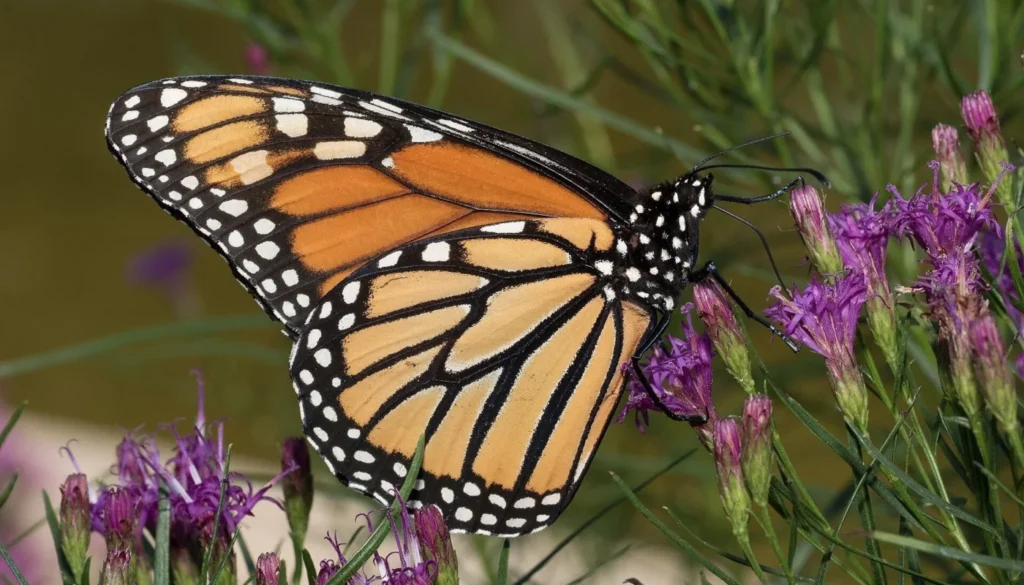
Consider host plants:
Include plants that are essential for the larval stage of certain pollinators. For example, monarch caterpillars only eat milkweed, so plant the native species that are right for your area.
-
Avoid pesticides:
Eliminate the use of pesticides, including insecticides like neonicotinoids, which are harmful to beneficial insects.
-
Provide nesting and shelter:
Leave some areas of your garden undisturbed. This includes leaving leaf litter, dead wood, or brush piles, which provide habitats for overwintering insects and nesting sites for native bees.
-
Offer water sources:
Create a damp area with sand or soil for butterflies to get minerals (a “puddling” spot) or a shallow water source with pebbles or stones for them to land on.
-
Add a “bee hotel”:
A bee nesting box can provide shelter for solitary bees.
-
Include sunning spots:
Place flat stones or pavers in sunny areas where pollinators can warm themselves.
-
Time your cleanup:
Wait until daytime temperatures are consistently around 50 degrees for about a week before starting your spring cleanup to avoid disturbing overwintering insects.
-
Keep a journal:
You can track which plants are most popular with pollinators and note changes over the years to improve your garden’s appeal.
If you have any questions about your trees, feel free to call Johnson Ops Tree Care for a landscape evaluation with one of our Certified Arborists.