Spruce Tree Issues in La Crosse County
Spruce Tree Issues in La Crosse County
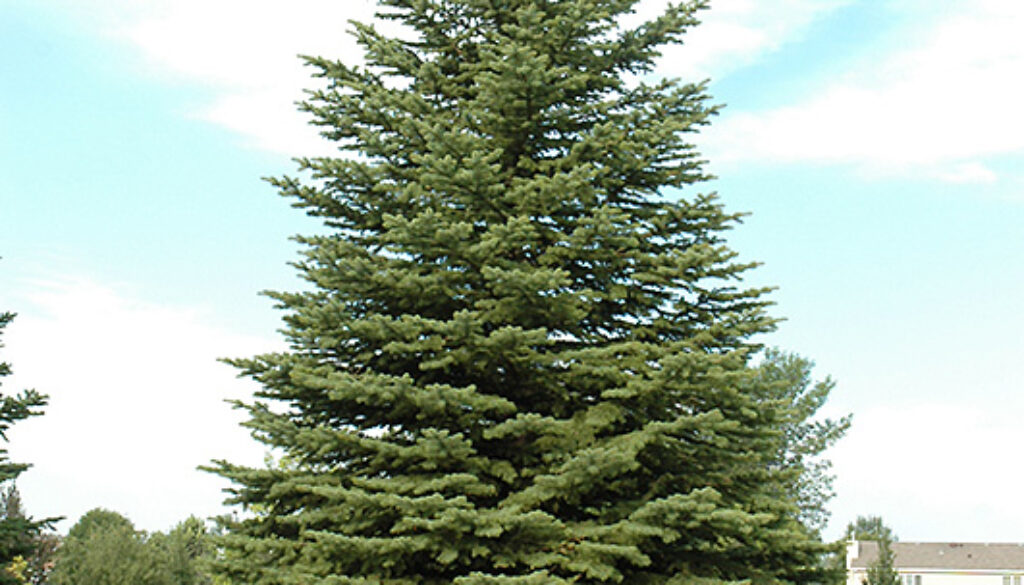
Spruce trees issues in La Crosse County, Wisconsin, commonly face issues from fungal diseases, insect infestations, and environmental stressors. These problems are often compounded by recent droughts and improper planting practices, which leave trees weakened and more susceptible to damage.
Fungal diseases
- Rhizosphaera Needle Cast: This is the most common fungal disease affecting Colorado blue spruce in Wisconsin and can also impact native white spruce.
- Symptoms: Older, inner needles turn purple or brown before dropping off, while the new growth at the branch tips often remains healthy. The disease progresses from the bottom of the tree upward.
- Diagnosis: With a magnifying glass, you can spot tiny, black fruiting bodies in neat rows on infected needles.
- Cytospora Canker: This fungus attacks stressed trees, causing individual branches to die, often with white, sticky resin oozing from sunken areas on the bark.
- Heterobasidion Root Disease (HRD): A severe and aggressive fungal infection that spreads through conifer roots and kills trees. Look for bright white fungal growths on stumps or near the base of dead or dying trees.
Insect pests
- Spruce Spider Mites: These pests are particularly active during drought conditions. They suck sap from needles, causing them to develop a dusty yellow or gray discoloration and eventually drop.
- Spruce Budworm: This insect defoliates spruce trees by feeding on buds and new growth. Infestations are a common problem in northern Wisconsin and can severely stress trees.
- Bark Beetles: In weakened or stressed spruce, bark beetle infestations can occur and are often found in conjunction with root rot problems.
Environmental stressors
- Drought and Water Stress: Recent dry years have left spruce trees weakened and more vulnerable to diseases and pests. Inconsistent watering or overwatering that leads to root rot can also cause browning needles.
- Poor Site Conditions: Planting spruces in poorly drained, clay-heavy soils or sites with too much shade can contribute to poor health.
- Winter Damage: Harsh winters with dry conditions and little snow cover can cause needles to drop in the spring.
Management strategies
- Improve Air Circulation: For fungal issues like needle cast, pruning lower branches and thinning dense stands can help improve air circulation and reduce disease spread.
- Proper Watering: Ensure spruces receive adequate water during dry periods, but do not overwater. A 3–4 inch layer of organic mulch around the base of the tree (kept away from the trunk) will help retain soil moisture.
- Fungicides: Treatments are available for some fungal diseases like Rhizosphaera Needle Cast, but they are preventative and need to be applied by a professional to be effective.
- Professional Diagnosis: Accurate diagnosis is key, as different fungi and insects can cause similar-looking damage. Consider contacting the UW Plant Disease Diagnostics Clinic or a Certified Arborists like Johnson Ops Tree Care for help.