How do Trees Survive the Wisconsin Winters
How do Trees Survive the Wisconsin Winters
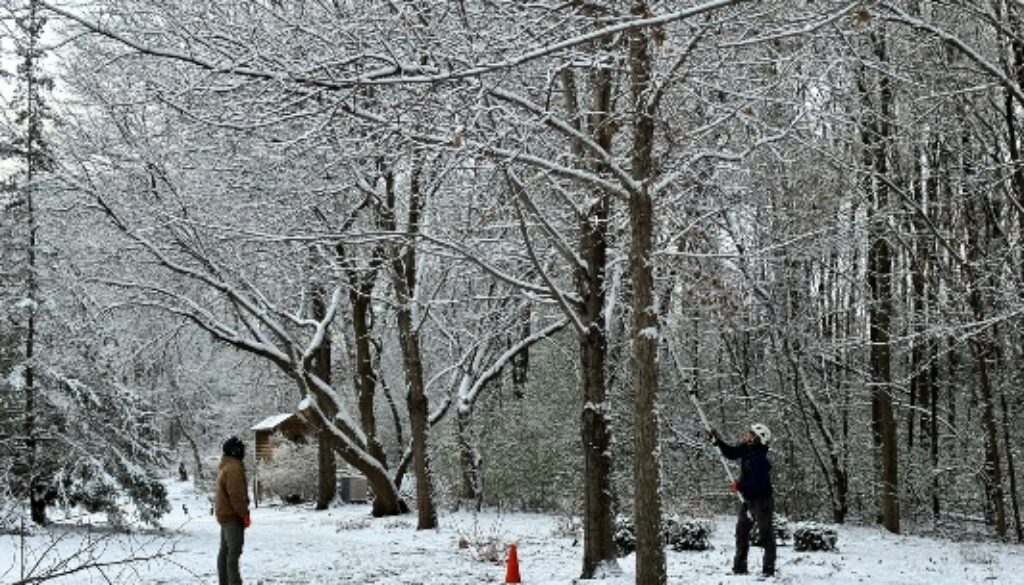
How do trees survive the Wisconsin winters. Trees prepare for freezing weather by entering dormancy, a rest period where they slow metabolism, stop producing leaves, and store energy. They prevent internal cellular freezing by concentrating sugars to lower the freezing point of their sap and dehydrating cells by moving water to the spaces between them. Bark provides insulation, and evergreen trees also have waxy coatings on their needles and antifreeze proteins in their sap to survive cold conditions.
Dormancy and Leaf Loss
Trees sense the shorter days and colder temperatures, signaling them to enter a state similar to hibernation.
Deciduous trees shed their leaves to conserve water and energy during the dormant period.
Trees significantly slow down their growth rate and metabolic processes to save resources.
Internal Cellular Adjustments
Trees convert starches into sugars, which act as a natural antifreeze, concentrating the fluids within their living cells to lower the freezing point.
Water is pulled from inside the cells and stored in the intercellular spaces. While this water may freeze, the cell itself is protected because the ice crystals cannot form and puncture the dehydrated cells.
Tree cell membranes also become more pliable, allowing them to shrink without being damaged by expanding ice crystals in the surrounding areas.
Physical Adaptations
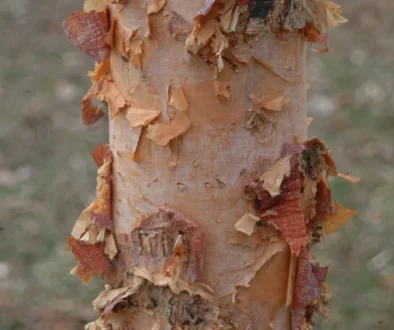
The bark of a tree acts as an insulating layer, protecting the living tissue underneath from freezing temperatures and potential damage from cracking.
Evergreen trees produce antifreeze proteins that bind to ice crystals, preventing them from growing and damaging the tree’s cells.
The waxy coating on evergreen leaves helps retain moisture and protects them from the harsh winter environment.
- Watering: Water heavily before a freeze to help keep the soil and roots warm.
- Mulching: Apply a 2-3 inch layer of mulch around the base of the tree to insulate the roots.
- Wrapping: Wrap the trunks of young or vulnerable trees to provide extra protection.
If you have any questions regarding your trees, call Johnson Ops Tree Care. One of our Certified Arborist will be happy to answer your questions.