Bark Shedding: Healthy or Problem?
Bark Shedding: Healthy or Problem?
Bark Shedding: Healthy or Problem? If you’ve noticed bark peeling or falling off your trees in Wisconsin, it can be surprising—but in many cases, it’s completely natural. Several tree species in our region regularly shed bark as part of their normal growth cycle.
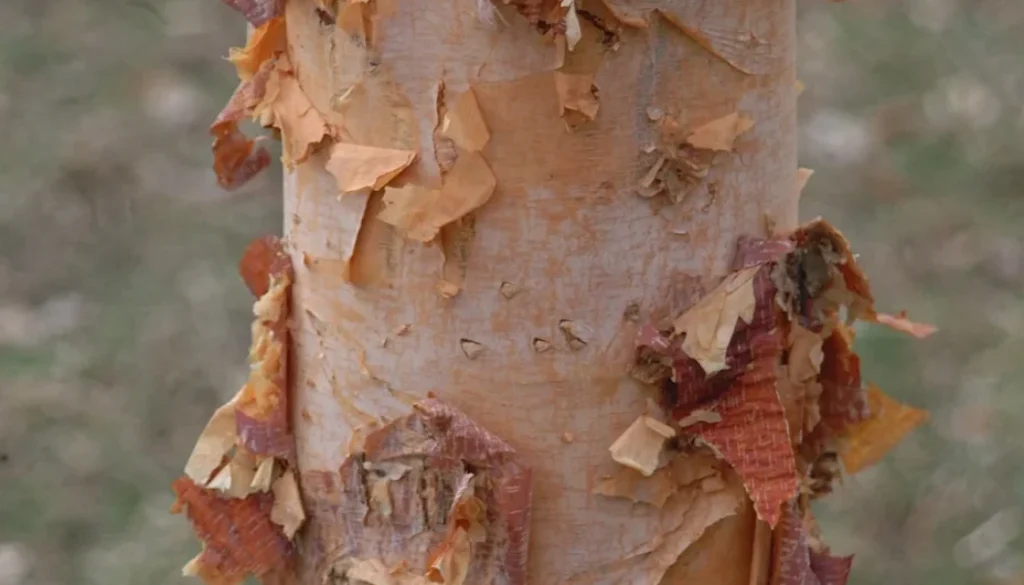
Trees like river birch, paper birch, sycamore, and shagbark hickory are well known for exfoliating bark. This process helps the tree grow by allowing the trunk to expand. As new layers form underneath, the outer bark loosens and peels away. In some cases, this also helps the tree shed insects, fungi, or environmental buildup.
However, not all bark loss is a good sign. In Wisconsin’s climate—especially with our harsh winters, fluctuating temperatures, and occasional drought—bark damage can also indicate stress. Frost cracks, sunscald, or physical injury from lawn equipment can cause bark to split or fall off. If you notice large sections of missing bark, exposed wood, or signs of decay, it may be time to take a closer look.
A good rule of thumb: if the bark is shedding in thin, consistent layers and the tree looks healthy overall, it’s likely normal. But if the tree has dead branches, sparse leaves, or the bark is falling off in large patches, it could be a sign of disease or decline.
At Johnson Ops Tree Care, we believe healthy trees don’t just happen—they’re maintained. If you’re unsure whether bark shedding is natural or a warning sign, our Certified Arborists are happy to help evaluate your trees and provide honest guidance. We proudly serve La Crosse, Onalaska, Holmen, and the surrounding Coulee Region with expert tree care, removals when necessary, and preservation whenever possible. Call us today for an evaluation of your landscape 608 526-6297