Are your Lawn Mowing Practices Damaging your Trees?
Are your Lawn Mowing Practices Damaging your Trees?
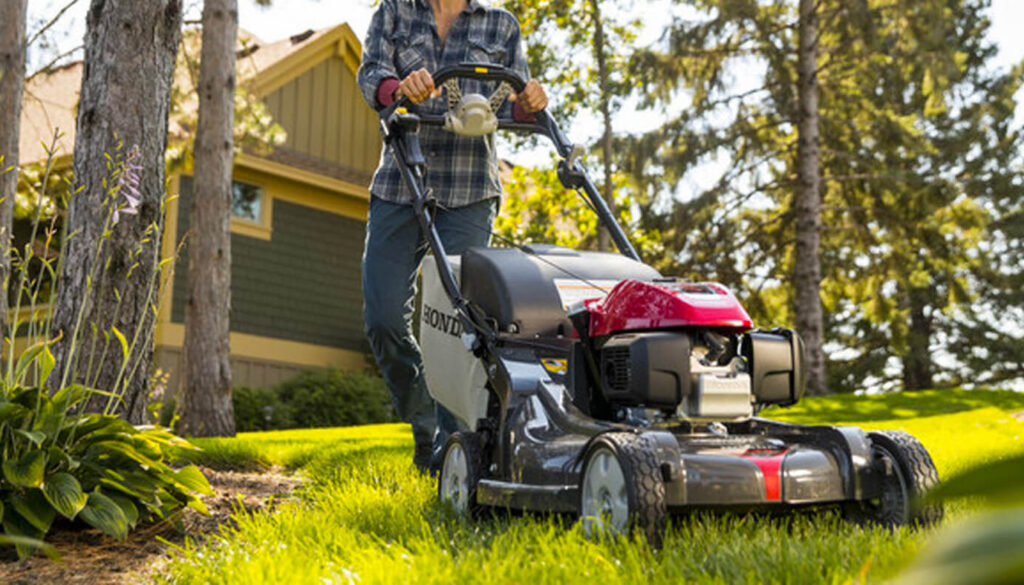
Are your lawn mowing practices damaging your trees? If your tree looks unhealthy, it’s crucial to examine its surroundings to pinpoint potential issues. Start by checking if the tree is suffering from any diseases or pests, like insects or fungi, that might be affecting its health. Next, think about the tree’s water supply. Determine if the tree is getting enough water, as both insufficient and excessive watering can lead to health problems. Lastly, take a look at the soil condition. Issues with the soil, such as lack of nutrients, pH imbalances, or poor drainage, can greatly affect a tree’s health. While any of these problems, or a mix of them, could result in a sick tree, it is important to recognize that trees growing in urban environments encounter unique and additional challenges that set them apart from their counterparts in natural settings. Among these challenges is the impact of human activity. Foe example, when you mow your lawn, do you accidentally cut over surface roots? Are you damaging your tree’s trunk with your string trimmer? That might be the reason for the tree’s poor health.
Damaging any protruding tree roots with a lawn mower or hitting them with a string trimmer also has negative consequences. Those surface roots are just as important as the roots underground, so stripping the bark from them decreases their capacity to support the tree and creates wounds that are vulnerable to pests and diseases.
How to protect your trees while caring for your lawn
If you’ve accidentally damaged the bark of your tree while tending to your lawn, don’t worry. Trees can typically heal themselves if the damage is limited to 25% or less of the trunk or root’s circumference.
So, what can you do to protect your trees from lawn power tools? Slowing down and mowing carefully as you get closer to your tree is one obvious thing you can do. You can also create a 3- to 5-foot buffer zone around your tree with mulch.
Mulch provides numerous benefits for trees by retaining soil moisture, regulating soil temperature, suppressing weeds that compete for resources, improving soil quality through nutrient release, and protecting roots from physical damage. When applied correctly, mulch creates a healthier, more resilient environment for tree growth, reducing stress and improving overall tree health and appearance
If you are unsure on how to handle the damage on your tree, call Johnson Ops Tree Care, one of our Certified Arborists will be happy to come by and evaluate your tree.