Mild Winters and Tree Health
Local, Mulch, Plant Healthcare, Trees
Mild Winters and Tree Health
Mild Winters and Tree Health. Milder winters across Wisconsin are becoming more common, and while they may feel like a relief compared to harsh cold snaps, they can have unexpected effects on your trees. Winter plays an important role in a tree’s natural cycle, helping regulate growth, control pests, and prepare trees for the next growing season.
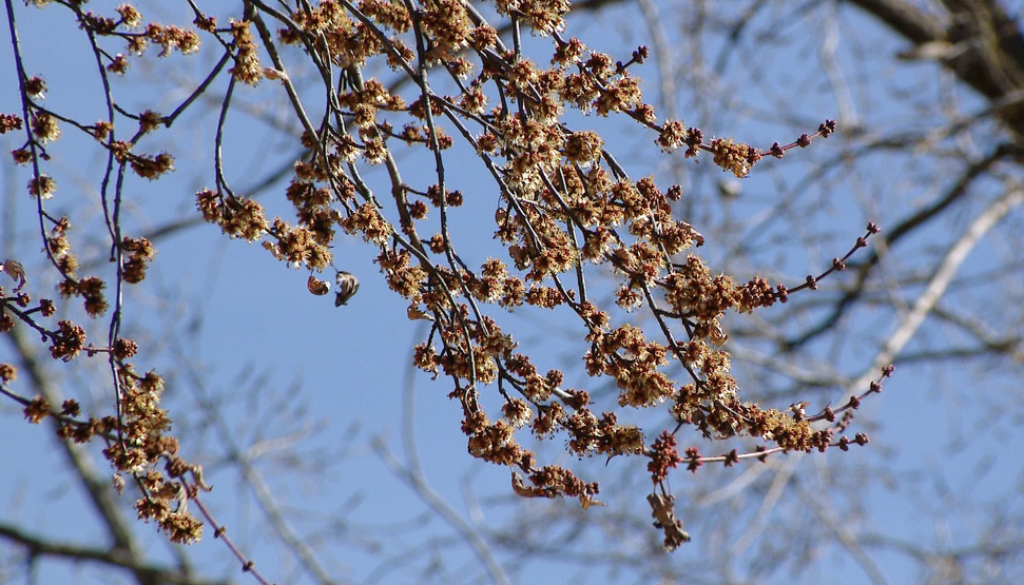
One of the biggest impacts of a mild winter is reduced dormancy. Trees rely on consistent cold temperatures to fully “rest.” When winters are warmer, trees may not enter deep dormancy, which can leave them stressed and more vulnerable in spring. If a sudden freeze follows a warm spell, it can damage buds, bark, and new growth that began too early.
Pests and diseases are also more likely to survive through mild winters. Normally, extended cold periods help reduce populations of insects like borers and aphids. Without that natural control, these pests can emerge in higher numbers, putting added pressure on already stressed trees. Fungal diseases can also persist more easily, especially when combined with wet conditions.
Another concern is soil moisture and freeze-thaw cycles. Warmer winters often bring more fluctuations, which can cause soil to shift. This movement can stress root systems, especially in younger or newly planted trees. Additionally, inconsistent snow cover means less insulation for roots, exposing them to temperature swings.
The good news is that proactive care can make a big difference. Regular inspections, proper pruning, and maintaining healthy soil conditions help trees stay resilient. Applying mulch, monitoring for pests early, and ensuring proper watering—especially going into winter—can all support long-term tree health.
At Johnson Ops Tree Care, we understand how changing Wisconsin winters impact your landscape. Our Certified Arborists proudly serve La Crosse, Onalaska, Holmen, and surrounding communities. Whether you’re concerned about tree health, pest pressure, or seasonal changes, we’re here to help you make the best decisions for your trees year-round.