The Aftermath of an Emerald Ash Borer
The Aftermath of an Emerald Ash Borer
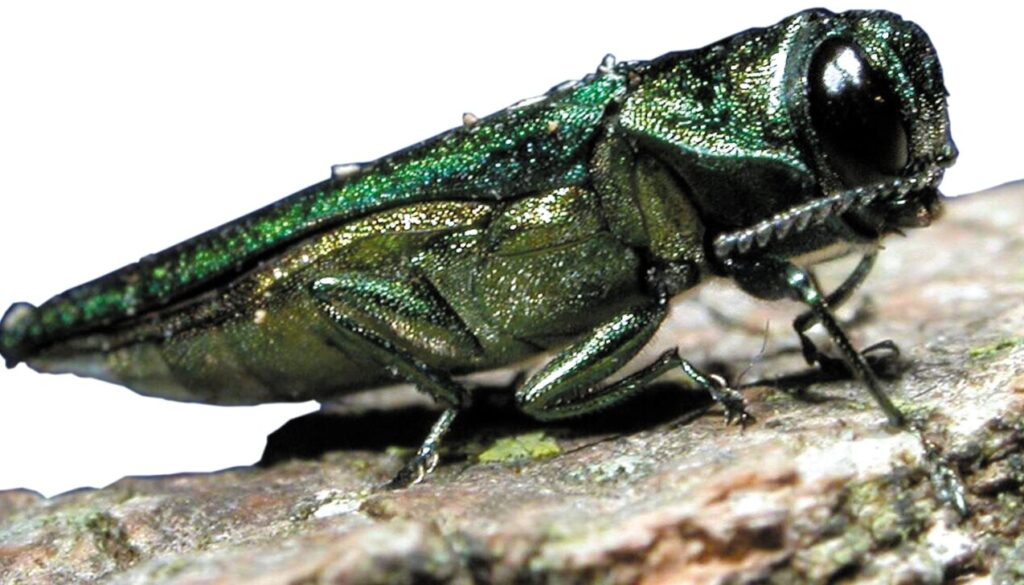
The Aftermath of an Emerald Ash Borer (EAB) infestation includes the death of most ash trees, leading to a change in forest ecosystems, increased understory light, and the potential proliferation of invasive species. Dead ash trees become brittle and hazardous, requiring costly removal in urban and suburban areas, which can cause economic impacts and property value loss. However, the species is not expected to go extinct due to a small percentage of surviving “lingering” ash trees and the survival of younger trees that can reach maturity before being attacked.
Ecological aftermath
- Forest composition changes: The massive die-off of ash trees alters the structure and function of ecosystems, creating voids in the canopy.
- Understory light increases: As ash trees die, more sunlight reaches the forest floor, which can benefit invasive understory plants.
- Invasive species growth: With increased light and disturbed soil, non-native plants may increase in abundance, displacing native species.
- Habitat degradation: The loss of ash trees can degrade habitats for various organisms that depend on them.
Urban and economic aftermath
- Hazardous trees: Dead ash trees become brittle and can fall, posing a risk to people and property. This requires costly removal in urban areas.
- Economic costs: Cities face significant expenses for tree removal, replacement, and loss of property values in areas with high ash tree density.
- Tree replacement and diversification: Cities need to plan for the replacement and diversification of their urban forests to prevent future pest outbreaks from having such a devastating effect.
Long-term outlook
- Ash trees are not extinct: Experts do not expect the ash tree to be completely wiped out.
- Young trees survive: Younger ash trees often survive initial infestations and can grow to maturity, producing seeds.
- “Lingering ash”: A small number of mature ash trees that show resistance or “lingering” ash trees survive EAB infestations.
- Biological control: Efforts are underway to use biological controls, such as introducing parasitoid wasps from Asia, to manage EAB populations.
Need Expert Guidance for Your Trees?
If you have questions about ash decline, hazardous removals, or replanting after EAB, Johnson Ops Tree Care is here to help. Our team of Certified Arborists can walk your property, assess the condition of your trees, and recommend the right course of action for your landscape. Whether you need professional removal, treatment options, or guidance on replacement species, we’re committed to keeping your property safe, healthy, and beautiful.