Fir Trees and Their Hidden Hazards
Fir Trees and Their Hidden Hazards
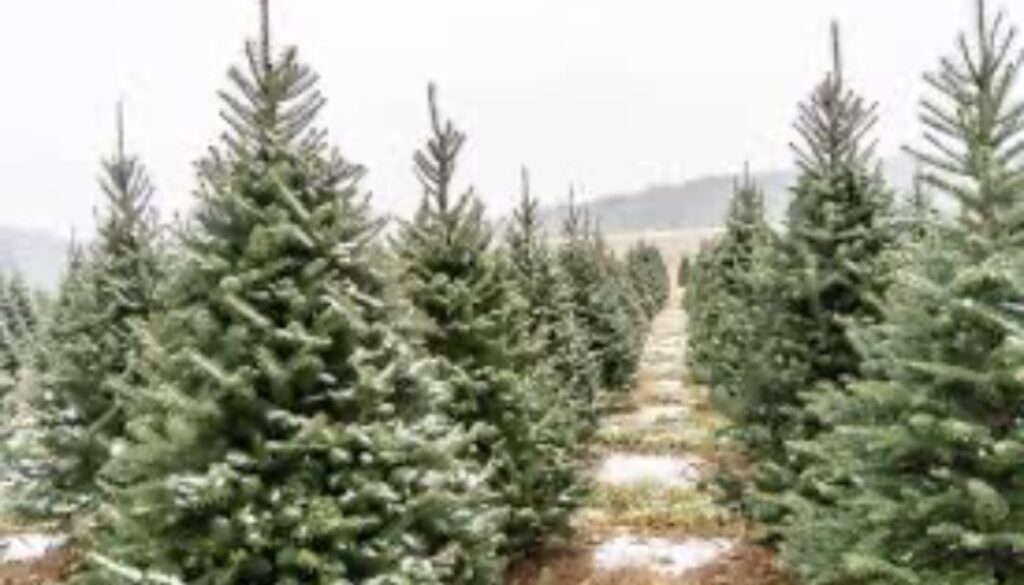
Fir Trees and Their Hidden Hazards. Fir trees are a beloved part of Wisconsin’s landscape.With their classic conical shape, evergreen needles, and year-round beauty, they add charm and structure to residential properties. While fir trees are generally hardy and low-maintenance, they’re not without risks. Understanding these potential hazards can help you keep your property safe, healthy, and looking its best.
Here are a few factors to examine concerning Fir Trees and Their Hidden Hazards:Structural Weaknesses
Fir trees often grow tall and narrow, which makes them more susceptible to wind damage. Heavy gusts—especially during Wisconsin’s winter storms—can lead to broken branches or, in extreme cases, full tree failure. Mature trees with hidden internal decay are at greater risk, even if they look healthy on the outside.
Needle Drop and Debris
While fir trees keep their needles year-round, they naturally shed older needles. This buildup can create slippery surfaces, clog gutters, or add fuel to dry areas in the rare event of a fire. Dense debris around the base of the tree can also attract pests or encourage fungal growth.
Root System Challenges
Fir trees typically have shallow root systems. These roots can struggle in compacted soil or extremely wet conditions, making the tree less stable. In droughts, the roots may be unable to reach adequate moisture, causing stress and making the tree more vulnerable to pests and disease.
Pest and Disease Risks
Fir trees can fall victim to several common issues in Wisconsin, including:
-
Balsam twig blight
-
Needle cast diseases
-
Bark beetles
-
Root rot (especially in poorly drained soils)
Left untreated, these issues can weaken the tree and increase the risk of branch breakage or tree decline.
Proximity Hazards
Fir trees planted too close to structures, driveways, or power lines can cause complications as they grow. Their height can lead to interference with overhead wires, while their branches can scrape siding or roofing. Shallow roots may also disrupt sidewalks or compacted soil areas.
Need Expert Guidance for Your Trees?
If you have any questions or concerns regarding your fir trees, Johnson Ops Tree Care is available to help. Our team includes Certified Arborists who are ready to meet with you, walk through your yard, and determine the appropriate course of action tailored to your needs.