Why Structural Pruning Matters
Why Structural Pruning Matters
To mitigate these risks, structural pruning is essential in guiding young trees toward a single, dominant leader, which promotes stability and longevity. By selectively removing competing stems early in the tree’s life, arborists help prevent the development of dangerous unions and reduce the likelihood of future structural problems. This proactive approach not only improves safety but also enhances the tree’s natural form, enabling it to withstand storms and environmental stresses more effectively.
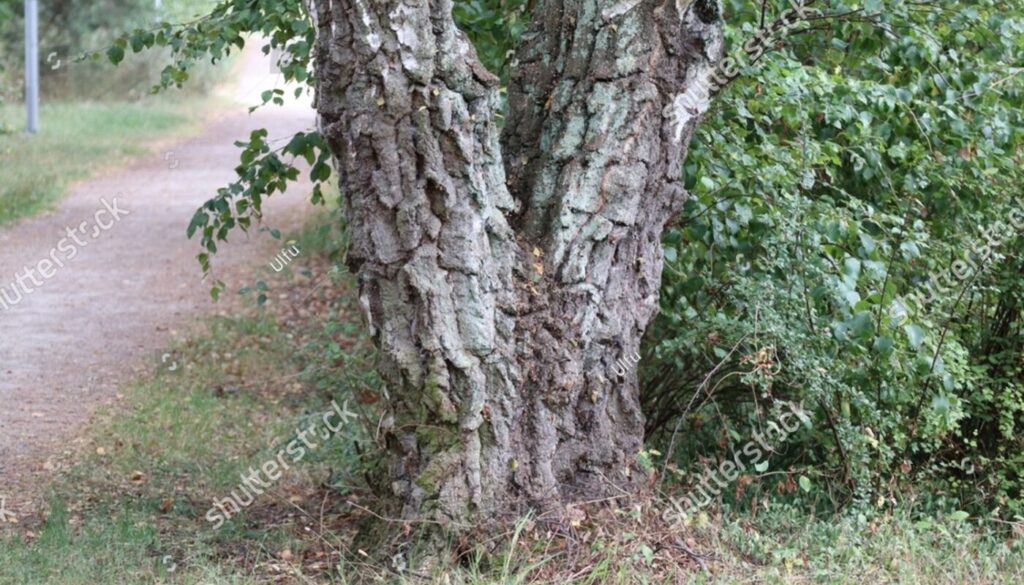
Characteristics of a codominant tree
- Multiple stems: Has two or more main stems of roughly equal diameter.
- Single origin: The stems emerge from the same point on the main trunk.
- V-shaped union: The crotch where the stems join is often a narrow, V-shape instead of the wider, U-shape of a strong union.
- Included bark: Bark is often trapped in the union between the two stems, creating a pocket that can collect water and decay.
Why codominance is a problem and Why Structural Pruning Matters
- Structural weakness: The union between codominant stems is inherently weaker than a branch-to-trunk connection, making the tree more susceptible to storm damage and breakage.
- Risk of failure: As the stems grow and push against each other, the weak point can eventually fail, causing a major split in the tree.
- Long-term decay: The included bark traps moisture, which can lead to rot and further weaken the trunk over time.
Expert Guidance for Your Trees
If you have any questions or concerns regarding your trees, Johnson Ops Tree Care is available to help. Our team includes Certified Arborists who are ready to meet with you, walk through your yard, and determine the appropriate course of action tailored to your needs.