Effects of Road Salt
Effects of Road Salt
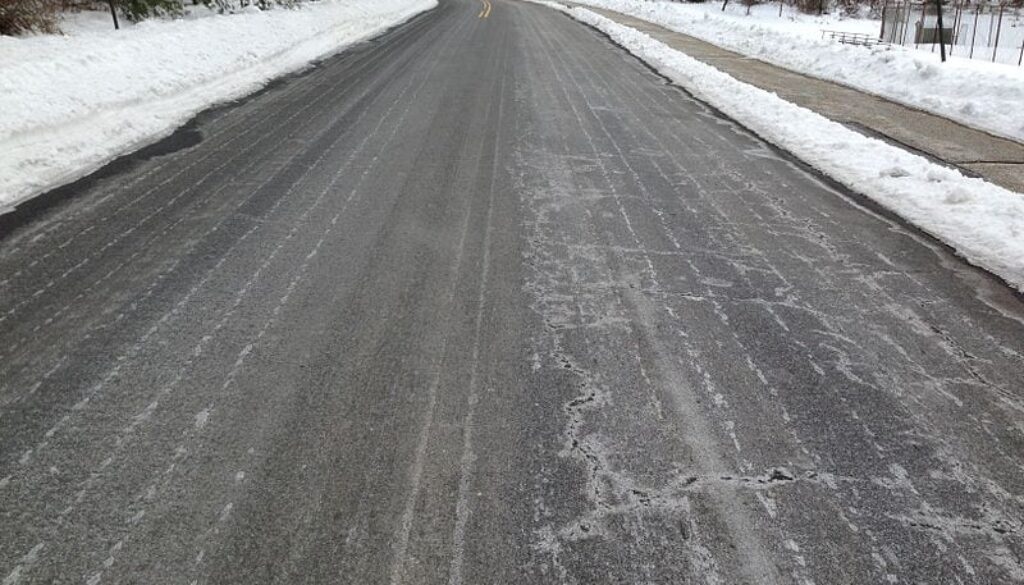
Effects of Road Salt on tree health poses significant risks to trees, primarily by inducing osmotic stress. This stress simulates drought conditions, making it difficult for trees to absorb water even when it is physically available in the soil. Such osmotic imbalance disrupts the normal uptake of nutrients, as sodium and chloride ions compete with essential minerals required for healthy tree growth.
Soil Structure and Nutrient Uptake
The presence of road salt in the environment leads to the breakdown of soil structure. This degradation further impairs the ability of roots to access water and nutrients. Sodium and chloride ions from the salt interfere with nutrient absorption processes, which are critical for the tree’s overall vitality.
Visible Signs of Damage
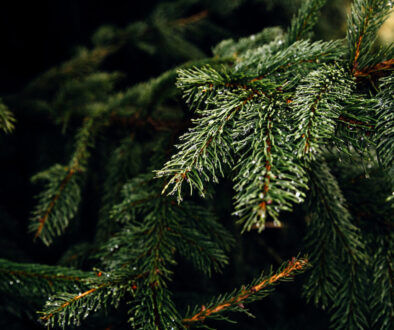
Trees affected by road salt often display clear symptoms. These include brown, scorched tips on leaves and needles, the death of buds, dieback of twigs, and a noticeable reduction in growth. Such damage is frequently concentrated on the side of the tree nearest to the road, where exposure to salt is highest.
Mechanisms of Injury-Effects of Road Salt
The harm caused by road salt can occur through two main mechanisms. First, salt may be absorbed directly by the tree roots from the soil. Second, salt spray can settle on the foliage, leading to localized damage. Both pathways contribute to the decline in tree health observed in roadside environments.
Do you have concerns with the health of your trees, not sure what is going on with them? Call Johnson Ops Tree Care for an evaluation of your landscape. Our Certified Arborists will assess the tree’s condition, identify potential issues, and recommend the best solutions to keep your trees healthy and thriving. With our dedication to quality care and customer satisfaction, you can trust us to enhance the beauty and resilience of your outdoor space for years to come.