Why are Siberian Elms considered Invasive
Why are Siberian Elms considered Invasive
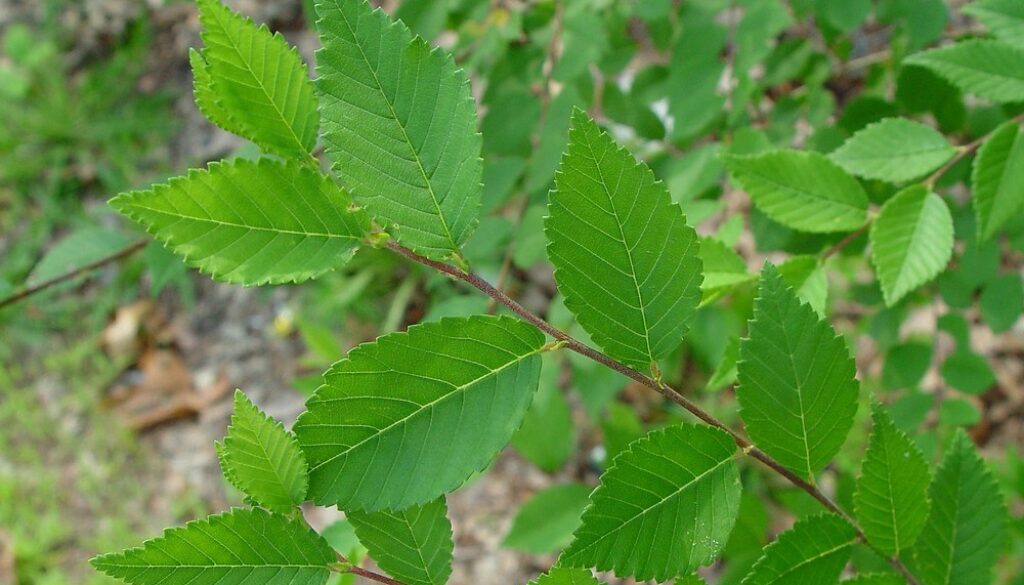
Why are Siberian Elms considered Invasive, Siberian elms are considered invasive due to their ability to quickly grow, spread easily by wind-borne seeds, and outcompete native vegetation in disturbed areas like prairies and along roadsides. They thrive in a wide range of conditions, including poor soils and drought, and can form dense stands that reduce overall biodiversity and alter habitats.
-
Rapid Growth and Spread:
Siberian elms germinate easily and grow quickly from their abundant, wind-dispersed seeds, forming dense thickets that quickly colonize open spaces.
-
Aggressive Competitor:
They outcompete native, less hardy plants, especially in disturbed or open areas with poor soil and low moisture.
-
Wide Tolerance:
The trees are highly adaptable and can tolerate extreme temperatures, poor soils, and drought conditions, allowing them to thrive where other species cannot.
-
Ecosystem Impact:
Dense Siberian elm stands can reduce biodiversity by shading out more desirable native plants and altering habitats for wildlife.
-
Displaces Native Species:
Their aggressive growth and ability to dominate ecosystems displace native vegetation, leading to reduced biodiversity.
-
Degrades Habitats:
By creating dense stands, they alter natural habitats and can reduce the quality and quantity of forage available for native fauna and livestock.
-
High Germination Rate:
The seeds have a high germination rate and can spread long distances, making it difficult to control their proliferation.
-
Difficult to Control:Their tough root systems and ability to regrow from even small pieces of wood make them persistent and challenging to manage.If you have any inquiries concerning your trees, please contact Johnson Ops Tree Care. One of our certified arborists would be pleased to meet with you and discuss your trees