Reasons for Stump Grinding after Removing a Tree
Reasons for Stump Grinding after Removing a Tree
-
Safety:
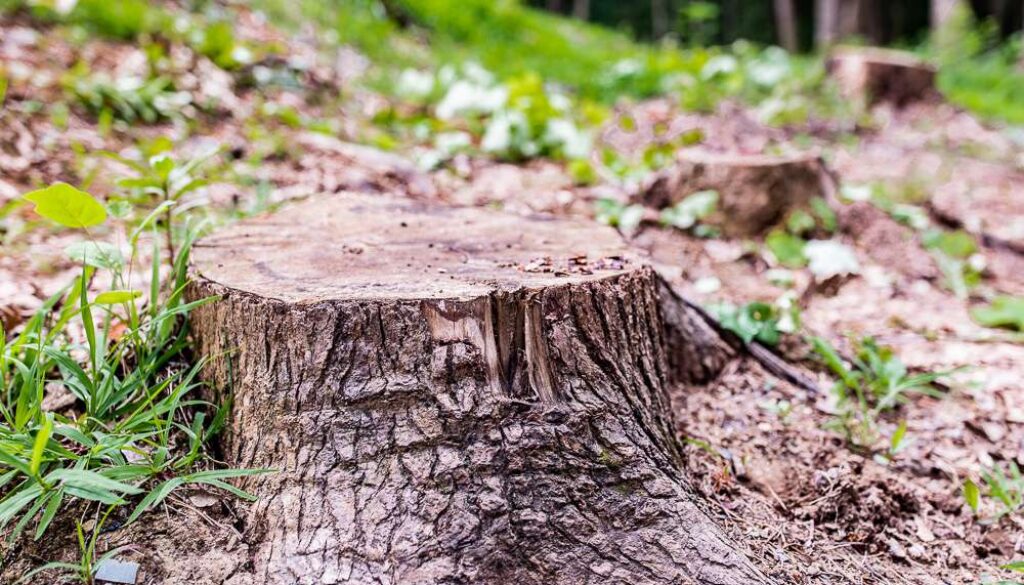
A leftover stump is a significant tripping hazard that can lead to injuries for people and pets.
-
Pest Prevention:
Decaying stumps are notorious breeding grounds for pests like termites and carpenter ants, which can then spread to other parts of your property.
-
Disease Control:
Rotting stumps and roots can harbor fungi and pathogens, spreading disease and infection to other healthy trees and plants in your yard.
-
Aesthetic Improvement:
Stumps can be an eyesore, disrupting the look of an otherwise well-maintained landscape. Grinding removes them, providing a more appealing and uniform appearance.
-
Space Reclamation:
Removing a stump opens up the area, allowing for new landscaping features, planting, or construction without the obstruction of the old wood.
-
Mulch and Soil Enrichment:
The wood chips from the grinding process can be reused as a natural mulch, which adds organic matter to the soil, improves moisture retention, and promotes garden health.
-
Root Regrowth Prevention:
For some tree species, stump grinding helps to eliminate the potential for sprouts or new growth from the remaining stump and roots.
-
Tree Removal:
First, the tree is cut down, leaving a stump from a few inches to a few feet high.
-
Stump Grinding:
A specialized machine with a rotating cutting disc chips away at the stump.
-
Below-Grade Removal:
The grinding process typically goes several inches below the ground’s surface to ensure the stump will not grow back.